

Remembering Julio Le Parc: The Artist Who Made You Part of the Work
June 11, 2026
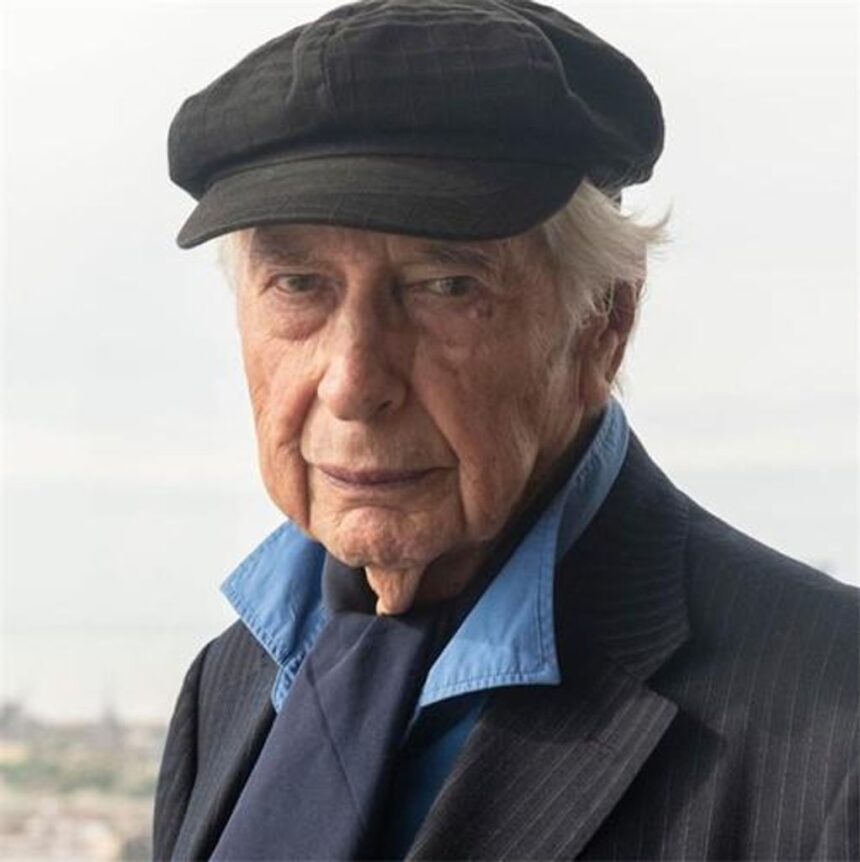
The art world has lost a true innovator. Julio Le Parc, the Argentine-born pioneer of kinetic art, died on May 30, 2026, in France at the age of 97. He leaves behind a legacy of movement, light, and participation—work that refused to stand still.
For Le Parc, art was never a one-way street. He didn’t just create sculptures; he created situations. His pieces move, shift, and change as you walk around them. Mirrors, hanging threads, projected light, and suspended mobiles would flicker and rotate, turning the viewer into an essential part of the experience. You couldn’t just look at a Julio Le Parc piece—you had to move through it, sometimes even touch it or cast a shadow on it.
Born in Mendoza, Argentina, Le Parc first trained at the School of Fine Arts in Buenos Aires before making his home in France, where he became a central figure in the kinetic and Op art movements of the 1960s. He was a co-founder of the GRAV (Groupe de Recherche d’Art Visuel), a collective that rejected traditional easel painting in favor of interactive and socially engaged works.
What made Le Parc so beloved—beyond the mesmerizing, playful nature of his art—was his belief that audiences should not be passive. He wanted you to feel disoriented, curious, and even a little joyful. His famous Lumière en mouvement series, for example, used motorized projectors and perforated discs to cast dancing spots of light across gallery walls, turning the whole room into a living canvas.
Now, as we reflect on his 97 years, the invitation is open for those who experienced his work firsthand. Did you walk through one of his immersive installations? Did a drifting mirror or a cascade of nylon threads make you stop and see space differently?
We invite all those with memories of Julio Le Parc or his art to help tell his story. Share your thoughts in the guest book below, so future generations can understand not just the man, but the way he made us all see—and move—together.